A Call That Came Too Late: Remembering Martasha McKenzie
- SaoMai
- April 28, 2026
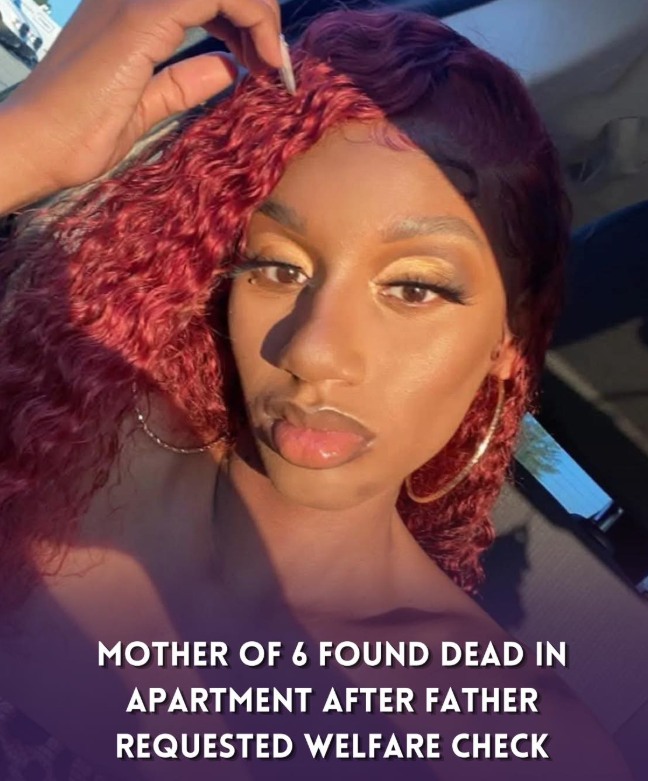
A Call That Came Too Late: Remembering Martasha McKenzie
Sometimes, it starts with something small — a missed routine, a moment that feels slightly out of place. For Martasha McKenzie’s family, it was a missed workout and unanswered phone calls that raised concern.
Her father noticed.
When he couldn’t reach her, he did what any parent would do — he acted. He requested a welfare check, hoping it would simply confirm that everything was okay. It was an act of care, of instinct, of love.
But what followed was something no family could have prepared for.
On March 24, 2026, police and her father arrived at Martasha’s apartment in Des Moines, Iowa. When they reached the door, her ex-boyfriend allegedly answered — and in an instant, the situation turned violent. He attacked her father with a knife and then charged at a responding officer. Police sH๏τ and killed him at the scene.
What they found next was even more devastating.
Inside the apartment, in a bedroom, Martasha was discovered. She had been killed.
 She was 33 years old.
A mother of six children who now face a future without her.
For those who knew Martasha, her life cannot be reduced to the circumstances of her death. She was a daughter, a mother, and a woman working to build a life for her children. Family members have since shared that her relationship had a history marked by toxicity, including past violence and threats — warning signs that, in hindsight, carry a painful weight.
Like many cases involving domestic violence, the danger was not sudden. It grew over time, often hidden behind closed doors, difficult to fully escape, and tragically underestimated until it was too late.
Now, the focus shifts to those left behind.
Six children navigating a loss that reshapes everything. A family grieving not only what happened, but what could not be prevented.
Stories like Martasha’s are not just about one moment — they are about the broader reality of domestic violence and the urgency of recognizing it early, taking it seriously, and ensuring support systems are strong enough to protect those at risk.
There are no words that can undo what has happened.
But there is remembrance.
Remembering her name.
Remembering her life.
Martasha McKenzie.
And holding space for the family she leaves behind — especially the six children who will carry her memory forward in the years to come.