From High Risk Pregnancy to a Thriving Childhood: Audrey’s Incredible Journey as a Vasa Previa Survivor
What begins as a routine pregnancy can sometimes turn into a life or death race against time. For Audrey and her family, that moment came quietly, then all at once. A rare diagnosis changed everything, and from that point forward, every decision, every day, and every heartbeat carried extraordinary weight.
Audrey’s story began with uncertainty long before she was born. Around 20 weeks into pregnancy, her mother received a diagnosis that would define the months ahead: Vasa Previa, a rare but extremely dangerous condition. In this situation, fetal blood vessels run across the cervix, unprotected, putting the baby at severe risk of rapid blood loss if those vessels rupture.
At first, the diagnosis was not clear. Audrey’s mother had been told she had Placenta Previa, a condition that, while serious, is more common and manageable. But persistent bleeding during the first 15 weeks raised concerns. After further evaluation, doctors corrected the diagnosis to Vasa Previa, a far more critical situation that required constant vigilance.
From that moment on, life changed completely.
Audrey’s placenta had split into two sections, and the umbilical cord ran directly across the cervix. This meant that any sudden bleeding could become life threatening within minutes. Her mother was instructed to go to the hospital immediately at the first sign of bleeding. The pregnancy shifted from anticipation to careful survival, with every day focused on reaching a safe delivery point.
For weeks, Audrey’s mother remained on minimal bed rest, limiting movement and monitoring every symptom. The goal was clear: reach 35 weeks, when a planned cesarean delivery could be performed under controlled conditions. Each pᴀssing day felt like a small victory, bringing Audrey closer to a safer arrival.
At 32 weeks, her mother was admitted to the hospital for close observation. Doctors wanted to eliminate any risk and ensure immediate response if complications arose. The environment was tense but hopeful. The plan was working, and the family held onto the belief that they could make it to the target.
But at 34 weeks, everything changed.
One morning, Audrey’s mother woke up to heavy bleeding. There was no time to wait. The situation escalated instantly, and doctors made the decision to perform an emergency cesarean section. It was the exact scenario they had been trying to avoid, yet one they were prepared for.
Audrey was born weighing 5 pounds 1 ounce, small but strong. Within moments, she was rushed to the NICU, where a team of specialists took over her care. For her parents, the joy of her birth was mixed with fear and uncertainty. They had made it through delivery, but the journey was far from over.
The NICU became Audrey’s first home.
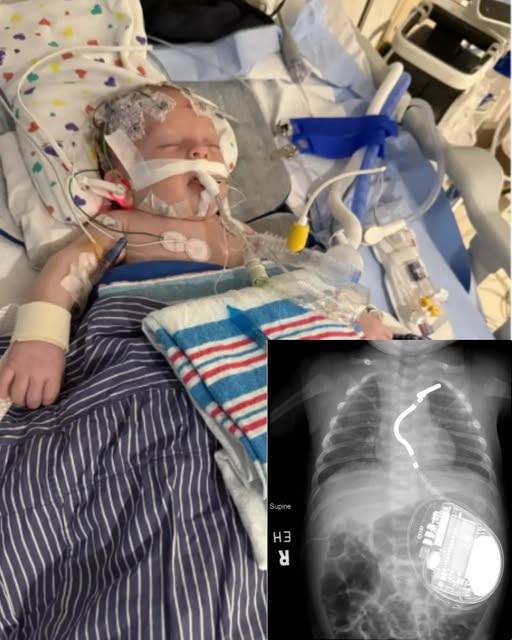
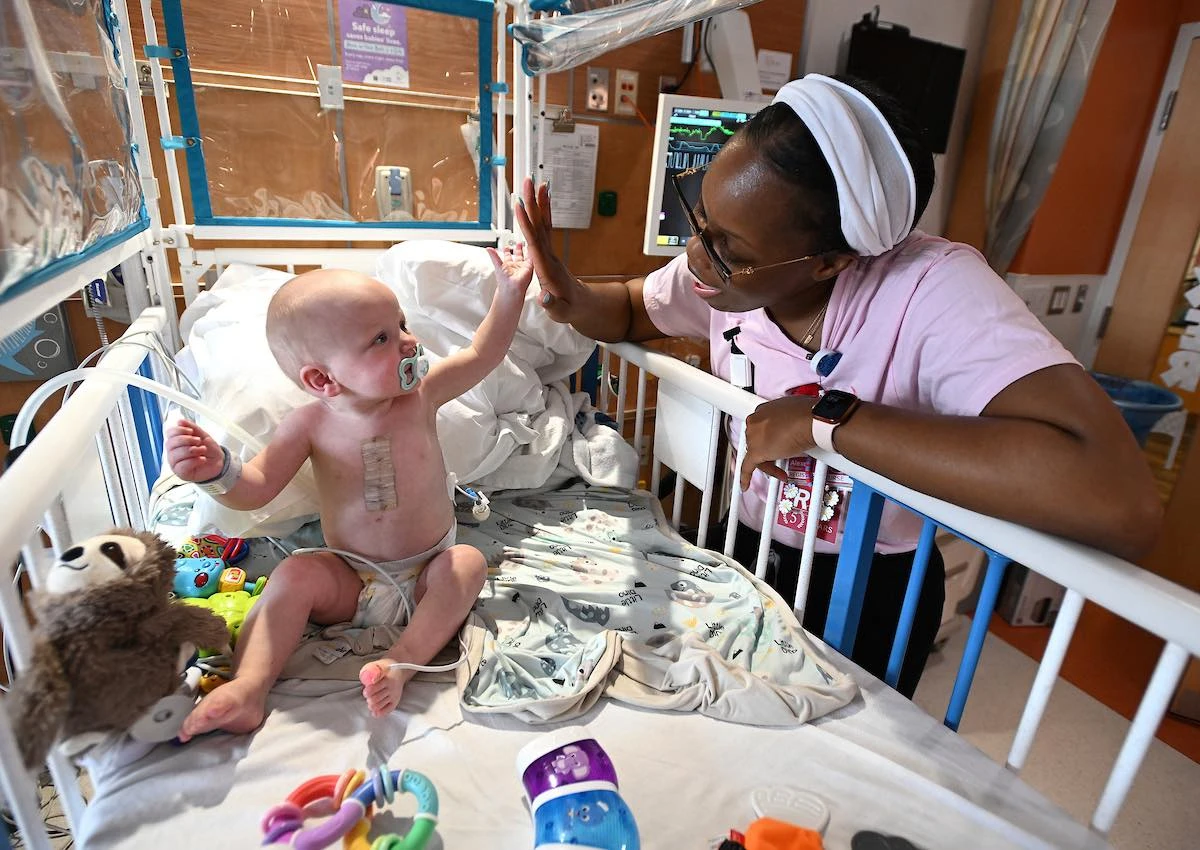
She spent 73 days there, surrounded by monitors, tubes, and the constant presence of medical staff. Her early challenges included jaundice and underdeveloped lungs, both common in premature babies. But her most persistent struggle was feeding.
Audrey was unable to feed effectively on her own. To ensure she received the nutrition she needed, doctors used both nasogastric and orogastric tubes. Each feeding was carefully managed, each ounce of weight gain closely tracked. Progress came slowly, often interrupted by setbacks that tested her parents’ strength and patience.
Despite the difficulties, Audrey continued to fight.
Her parents watched every small improvement with hope. A stable day, a slight increase in weight, a calm night. These moments became milestones, proof that she was moving forward even when the journey felt overwhelming.
Eventually, doctors determined that Audrey would need a more long term solution for feeding. A gastrostomy tube, commonly known as a G tube, was placed through a minor surgical procedure. While the decision was difficult, it proved to be a turning point. With consistent nutrition, Audrey began to grow stronger.
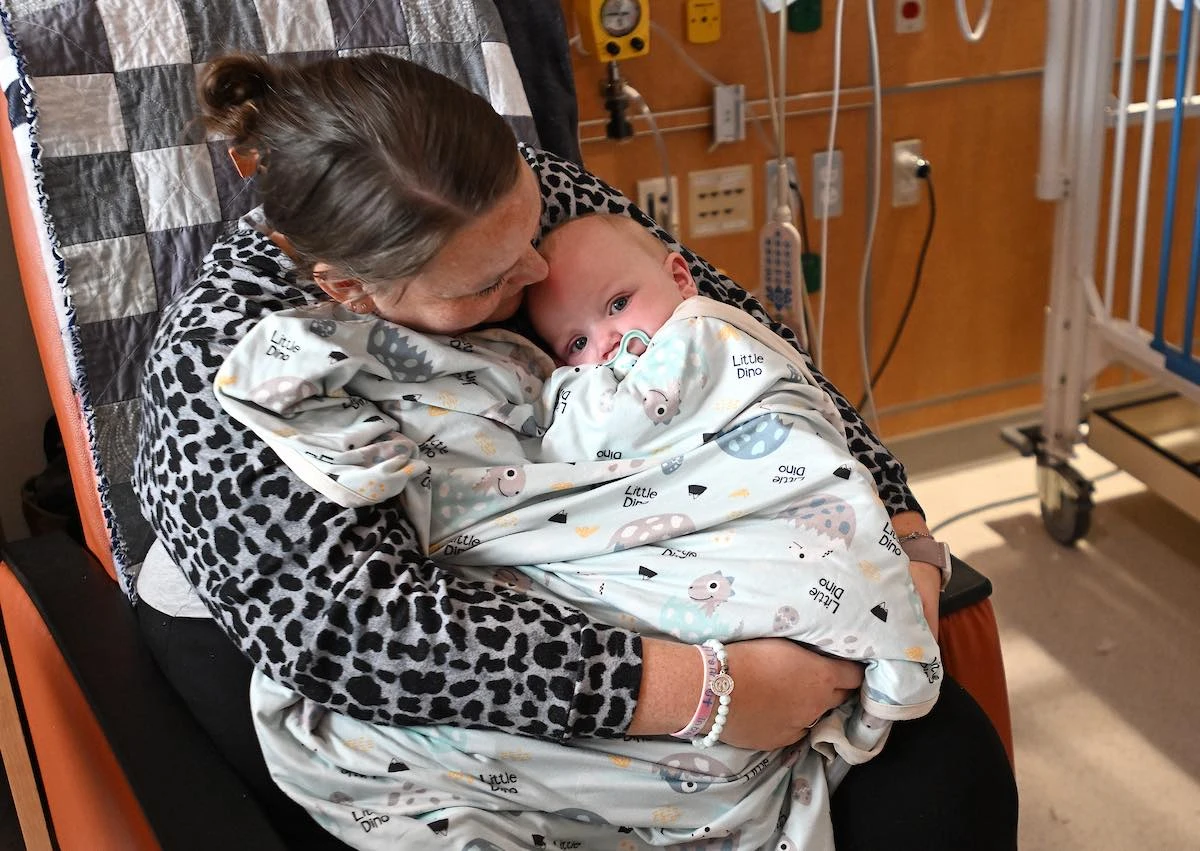
The months that followed showed steady progress.
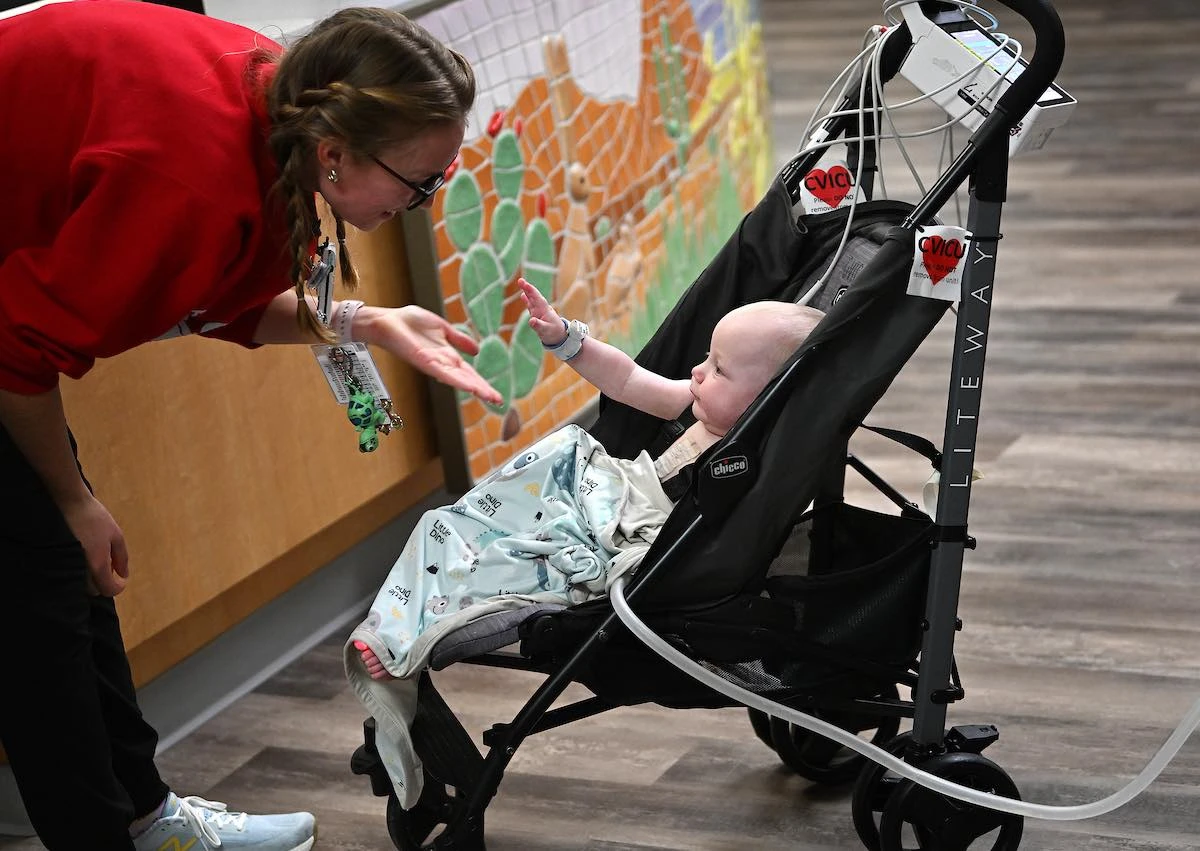
The G tube became part of her daily life, supporting her growth and development. Her parents adapted to new routines, learning how to care for her medical needs while still creating a sense of normalcy and love around her.
Then came a milestone they had long hoped for.
By her first birthday, Audrey had gained enough strength and stability to have the G tube removed. It marked a new chapter, one where she could move forward without the support that had once been essential. For her family, it was a moment filled with relief, pride, and overwhelming graтιтude.
From there, Audrey’s progress accelerated.
She began to explore the world with curiosity and energy. The baby who once struggled to eat and breathe independently was now growing into a lively, engaged child. Her personality blossomed, full of joy, determination, and a quiet strength that had been present since the very beginning.
Today, at five and a half years old, Audrey is thriving.
She is active, happy, and full of life, a child who reflects none of the fragility that defined her earliest days. For those who meet her now, it is hard to imagine the journey she endured. But for her family, every smile, every laugh, and every milestone carries deep meaning.
Audrey’s story is more than a medical journey. It is a story of resilience, of a family’s unwavering commitment, and of the extraordinary outcomes that can emerge from even the most high risk situations.
It also highlights the importance of early diagnosis and specialized care. Conditions like Vasa Previa are rare, but when identified in time and managed carefully, they can lead to successful outcomes. Audrey’s survival is a powerful reminder of how critical awareness and medical expertise can be.
Most of all, her journey is a testament to perseverance.
From a pregnancy filled with fear to a childhood filled with joy, Audrey has overcome challenges that once seemed insurmountable. Her life today stands as proof that even the most fragile beginnings can lead to strong and beautiful futures.
And while her story began with uncertainty, it continues with strength, hope, and the promise of everything still to come.