
At 4:00 a.m., with temperatures hovering five degrees below zero, a 20-vehicle federal convoy rolled quietly into Minneapolis’ Cedar-Riverside neighborhood. Snow muffled the sound of engines. Streetlights glowed dimly against drifts piling along the sidewalks. The building they surrounded was modest—brick, two stories, with a frosted-glᴀss door displaying the name “Community Legal Defense and Immigration Services.”
For years, it had presented itself as a legal aid office helping refugees navigate asylum cases, work permits, and family reunification paperwork. In a neighborhood often referred to as “Little Mogadishu” for its large Somali-American population, the office had become a familiar presence.

Federal authorities now say it was something else.
Acting on a sealed warrant, FBI and ICE agents breached the reinforced front door. Flashbang devices were deployed to disorient occupants. According to court filings, armed individuals inside attempted to retreat deeper into the building before being subdued. Within minutes, the ground floor was secured.
What agents reported finding in the basement shifted the operation from immigration enforcement to a major narcotics case.
On tables alongside immigration forms and legal binders were bricks of fentanyl, some pressed into pills designed to resemble prescription medications. Federal officials later estimated the street value at approximately $50 million. Laboratory testing is ongoing, but authorities allege the quanтιтy seized could have fueled thousands of overdoses across the region.
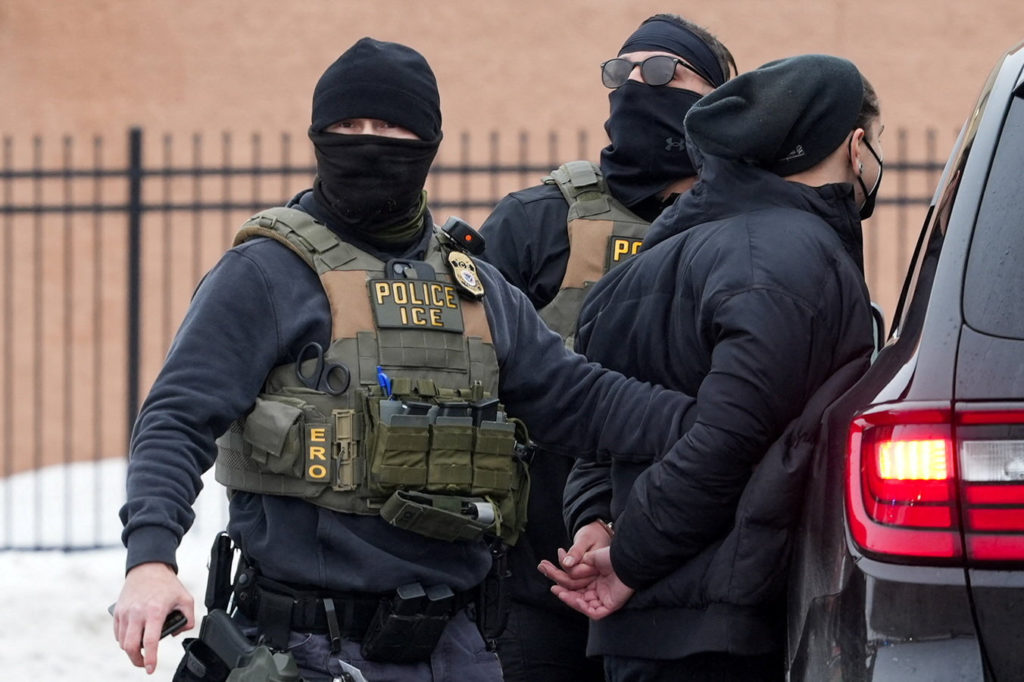
The raid marked the opening phase of what prosecutors have labeled Operation Metro—a sweeping investigation targeting a network suspected of distributing synthetic opioids across Minneapolis and neighboring states.
By the end of the first 24 hours, more than 400 individuals had been detained citywide on charges ranging from drug trafficking to conspiracy and financial crimes. Many were later released pending further review, while others remain in federal custody awaiting indictment. Officials stress that all suspects are presumed innocent until proven guilty.
The most explosive development came from a safe recovered in a second-floor office.

Inside was a handwritten ledger—described in affidavits as a record of alleged payments to 28 local police officers and municipal officials. The entries listed names, badge numbers, and monthly amounts. Federal investigators claim the ledger suggests a pattern of tip-offs before scheduled raids and selective enforcement actions that favored one trafficking faction over compeтιтors.
The Minneapolis Police Department immediately placed the named officers on administrative leave pending investigation. The department has stated it is cooperating fully with federal authorities and emphasized that allegations against individual officers do not reflect the broader force.
Community reaction has been swift and divided.

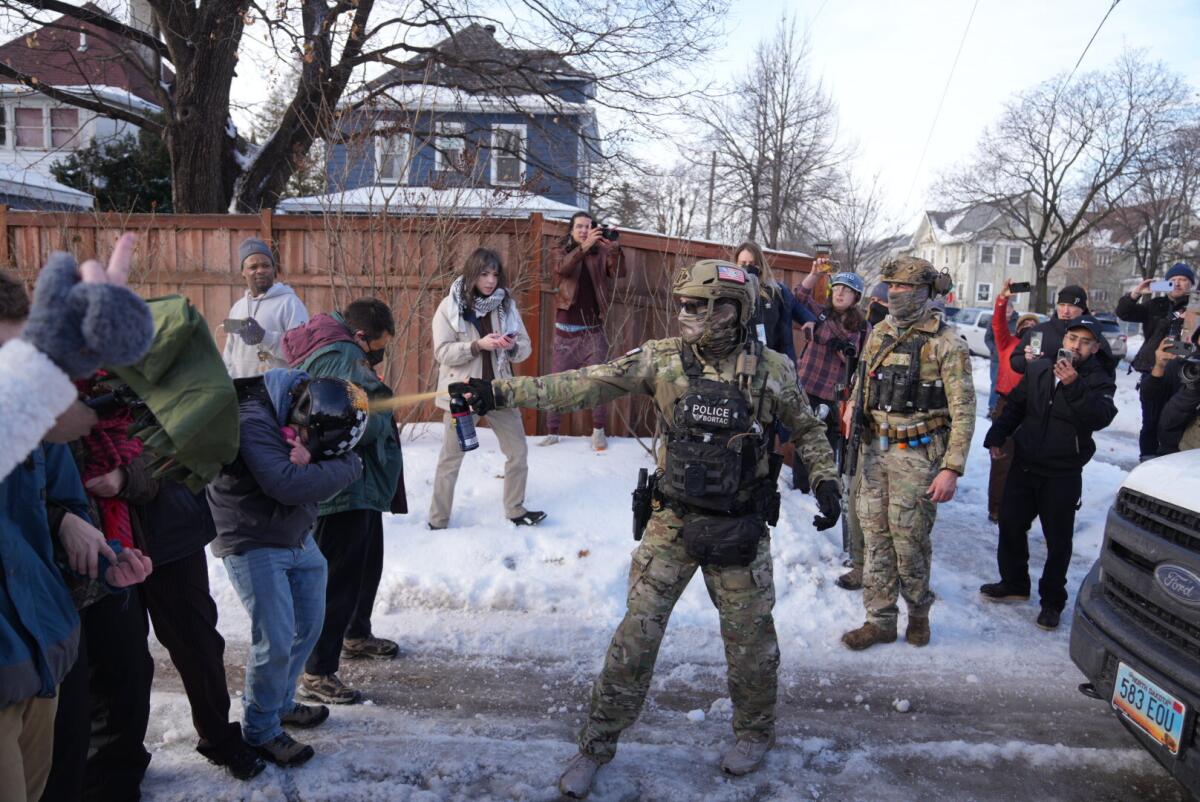
For many Somali-American residents, the sight of armored vehicles and tactical units deploying pepper spray during crowd control revived longstanding fears about disproportionate targeting. Advocacy groups argue that immigration rhetoric at the national level has heightened suspicion toward immigrant communities, regardless of individual culpability.
Federal officials counter that the operation was driven by evidence, not ethnicity. They insist that the investigation focused on specific criminal conduct and that the vast majority of Somali Minnesotans are law-abiding residents who contribute positively to the city.
Cedar-Riverside’s history complicates the narrative. The neighborhood has long balanced vibrant immigrant entrepreneurship with socioeconomic challenges. It has also been a flashpoint in debates over sanctuary policies and federal immigration enforcement.

During the raid, a crowd gathered quickly outside the building, some believing undocumented immigrants were being detained. Tensions escalated as demonstrators linked arms and blocked intersections. Authorities deployed non-lethal crowd dispersal tools, including pepper spray and an acoustic device, to clear a path for transport vehicles carrying detainees.
No serious injuries were reported, though civil liberties groups have requested an independent review of crowd-control measures used that morning.
Back inside the federal command center, investigators faced an unexpected challenge. According to sources familiar with the case, a cyberattack attempted to wipe digital copies of seized documents and communications. FBI cyber units reportedly severed external network connections before the data could be fully erased. The attack is under separate investigation, with preliminary tracing reportedly pointing to a domestic IP address. Officials caution that attribution remains incomplete.
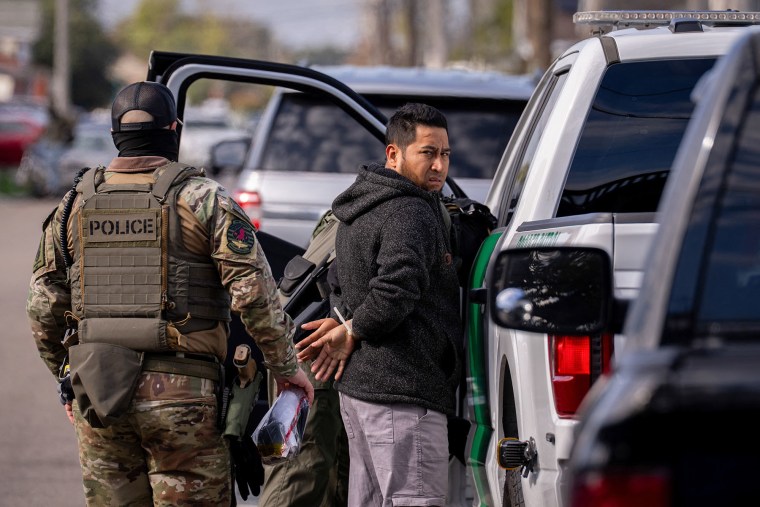
As interrogations proceeded, one senior suspect allegedly provided testimony suggesting that drug proceeds were laundered through nonprofit fronts and routed into local political campaigns advocating changes to policing and immigration policy. No elected officials have been charged at this time. The Department of Justice has opened a parallel inquiry to determine whether campaign finance laws were violated.
The scale of the narcotics seizure has intensified scrutiny of fentanyl’s grip on the Midwest. Public health officials note that synthetic opioids remain a leading cause of overdose deaths nationwide. Removing large quanтιтies from circulation can temporarily disrupt supply, but long-term reduction depends on sustained enforcement and treatment access.
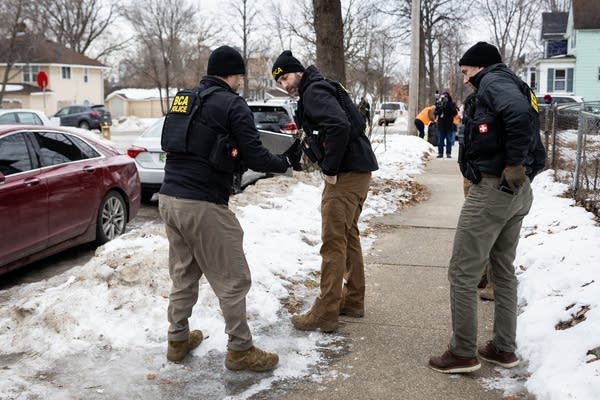
In the days following the operation, three additional properties in suburban neighborhoods were searched. Agents recovered approximately $12 million in cash and additional controlled substances, according to federal inventories.
The broader implications extend beyond one neighborhood.
Operation Metro has triggered federal reviews of nonprofit oversight, local-federal cooperation agreements, and internal police accountability mechanisms. Civil rights advocates are simultaneously calling for safeguards to ensure enforcement actions do not stigmatize entire communities.

Minneapolis city officials have urged calm. In a joint statement, the mayor and police chief pledged transparency while reaffirming support for immigrant residents. “Criminal networks must be dismantled,” the statement read, “but we must also protect the trust of communities who rely on us.”
As indictments move forward, courts will determine the credibility of the ledger, the scope of any corruption, and the legality of evidence collection. Defense attorneys have already indicated they will challenge both the search warrants and the characterization of financial records.
For now, Cedar-Riverside remains under the weight of competing narratives—law enforcement describing a cartel front embedded in civic life, community leaders warning against collective blame.
What is clear is that fentanyl trafficking and public corruption allegations have converged in one of Minneapolis’ most scrutinized neighborhoods. Whether Operation Metro represents a turning point or the beginning of a longer reckoning will depend on what survives judicial examination.
In the frozen quiet before dawn, agents believed they were entering a law office. By sunset, they were confronting questions about drugs, politics, and trust that reach far beyond a
