Her eyes flutter when she hears her mom sing. ❤️ Maya has no movement on her right side, but she’s responding in small, powerful ways. Doctors say recovery won’t be linear — yet hope remains strong….Full details and video are in the comments …👇

The mother of young Maya has shared another detailed and emotional update on her daughter’s condition, describing small but meaningful signs of progress as the child continues to recover from a devastating gunsH๏τ wound that caused severe brain injury. The update, posted after what the family described as an exhausting period of medical activity, reflects both cautious optimism and lingering fear as Maya remains in critical recovery.
According to her mother, Maya is now moving significantly more on her left side, though there is still no movement on her right. These asymmetrical responses are consistent with the documented damage to her brain. The bullet reportedly entered and exited through the left side of her brain, tearing through tissue and causing extensive trauma. Additionally, there is damage to the brain stem where the bullet exited — an area responsible for vital life-sustaining functions. Because of swelling and the complexity of the injury, doctors have not yet been able to determine how much deliberate movement or cognitive function Maya may ultimately regain.
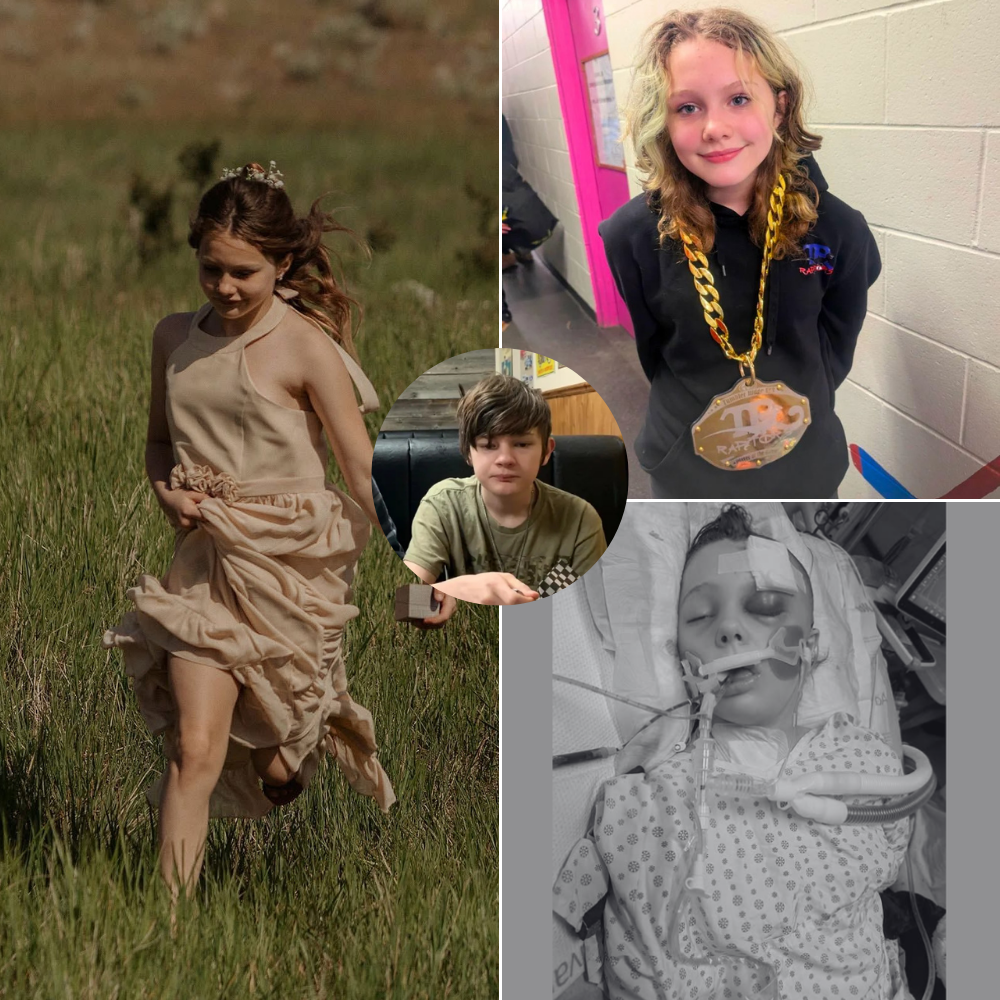
Despite the uncertainty, there are signs that have given her family renewed hope. Her mother described moments when Maya appears to be “awake,” with her eyes fluttering and subtly responding to familiar voices. Standing at the foot of her hospital bed and mᴀssaging her feet, her mother said she feels as though Maya’s eyes follow the sound of her voice. However, medical staff have confirmed that Maya’s pupils are not reacting to light, suggesting that her vision may be severely impaired or absent at this time.
Doctors have emphasized that recovery from traumatic brain injury is rarely linear. Progress can occur in increments and may plateau unexpectedly. Maya’s mother openly acknowledged this fear, writing that while each small improvement feels uplifting, she dreads the possibility of stagnation. The emotional toll of watching for signs — every flutter, every shift — has been immense.
There are also ongoing medical risks. Fluid buildup in the lungs remains a concern, and her heart function continues to be closely monitored. In cases involving significant brain stem injury, autonomic regulation can be compromised, increasing vulnerability to sudden complications. Although Maya has been cleared for a feeding tube and is not currently considered at immediate risk of pᴀssing, her condition remains fragile.
The decision to place a feeding tube marks an important milestone in her care plan. It indicates that physicians anticipate a longer-term recovery process and are focusing on sustained nutritional support to aid healing. For families of critically injured patients, such steps often represent both relief and acknowledgment of the lengthy rehabilitation journey ahead.
Throughout the ordeal, Maya’s mother has maintained a steady presence at her bedside. She continues to sing to her daughter, speak to her, and affirm how proud the family is of her strength. She has expressed graтιтude for the overwhelming outpouring of prayers and encouragement from people around the world. According to her, the positivity and collective support have helped carry them through the darkest initial days when expectations were dire.
Medical experts note that sensory input — including familiar voices and music — can sometimes stimulate neural pathways in patients with brain injuries. While not a guaranteed predictor of long-term outcome, such interactions can be meaningful for both patient and family. For Maya’s mother, these daily rituals are acts of hope and connection in the face of uncertainty.
The broader community response has been significant. Supporters continue to share updates, messages and prayers, reinforcing the family’s belief that collective strength matters. In moments of medical crisis, social support networks often provide emotional resilience that complements clinical treatment.
Yet realism remains central to the family’s outlook. Maya’s mother was careful to emphasize that while there are positive signs, setbacks remain possible. Brain injuries of this magnitude can result in long-term neurological deficits, partial paralysis, or sensory impairment. The coming weeks and months will likely involve neurological ᴀssessments, imaging studies and gradual attempts to evaluate responsiveness.
For now, the focus remains on incremental progress. A fluttering eyelid. A subtle shift of the left hand. A heart that continues to beat. Each small victory represents defiance against the initial severity of the injury.
Maya’s journey underscores both the fragility and resilience of the human body. Severe trauma can alter life in an instant, but recovery — however uncertain — can unfold in equally unexpected ways. As her family continues to stand vigil, their message is clear: hope must remain stronger than fear.
They acknowledge the road ahead will be long and unpredictable, yet they refuse to abandon optimism. In hospital rooms where machines hum and monitors glow, progress may not always be dramatic. Sometimes it is measured in breaths, in twitches, in moments when a mother feels her child responding to her voice.
For Maya and her family, those moments are everything.
