Sylvester Stallone: The Fighter Who Turned Struggle Into Cinema
Sylvester Stallone: The Fighter Who Turned Struggle Into Cinema
Sylvester Stallone is one of Hollywood’s most enduring action legends, but his story has always been more than muscles, explosions, and heroic one-liners. Born in New York City in 1946, Stallone grew up with personal challenges that would later become part of his screen idenтιтy: a tough exterior, a wounded soul, and a voice that sounded like it had already survived a fight. Long before he became a global movie star, he was a struggling actor trying to break into an industry that did not easily open its doors to him.
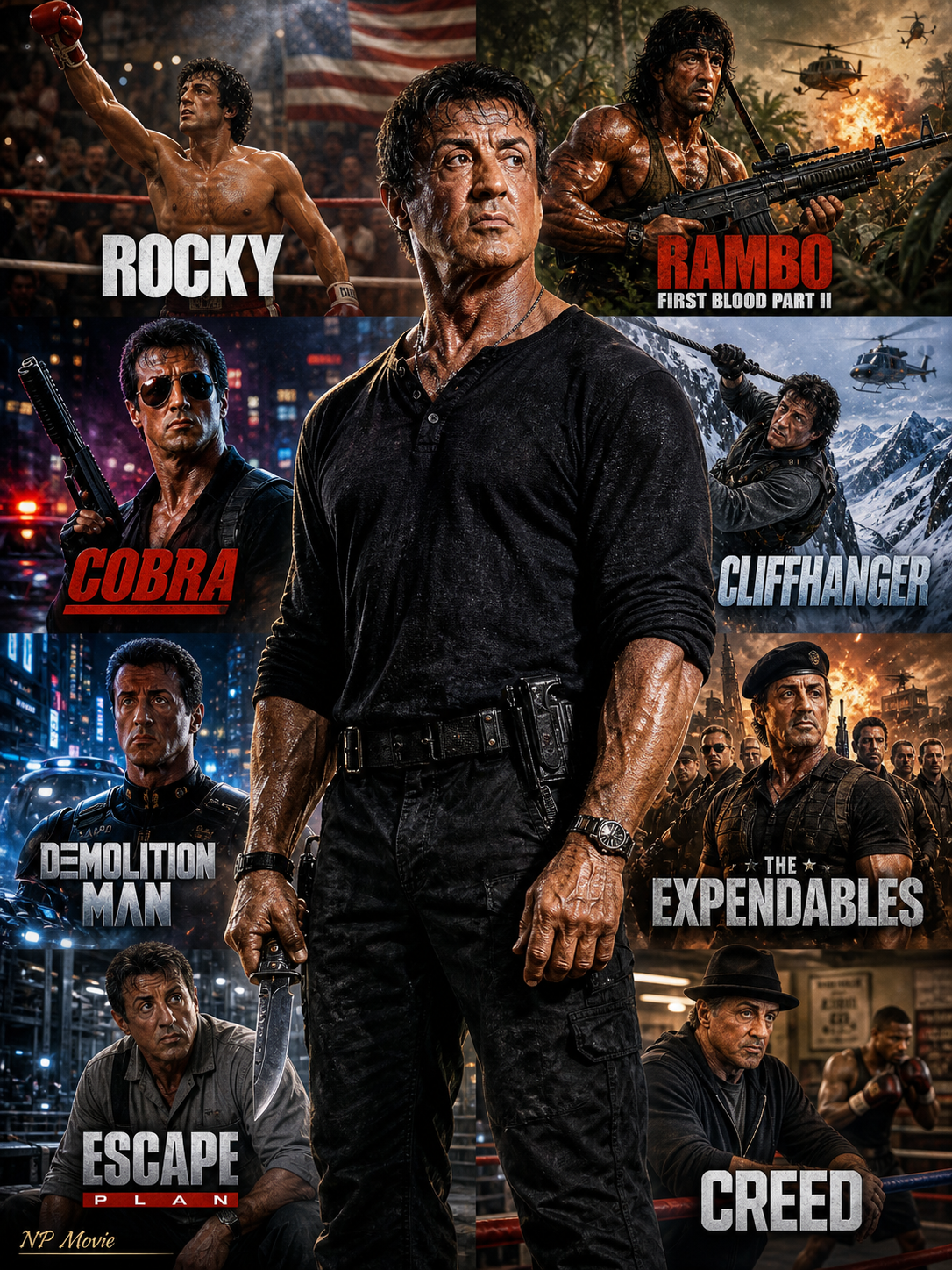
His life changed forever with Rocky in 1976. Stallone did not just star in the film; he wrote it. The story of Rocky Balboa, a poor Philadelphia boxer who gets one impossible sH๏τ at greatness, reflected Stallone’s own battle for recognition. Studios were interested in the script, but Stallone insisted on playing the lead himself, a risky decision that became legendary. Rocky became a cultural phenomenon, won Best Picture, and earned Stallone Academy Award nominations for both acting and writing.
What made Rocky so powerful was not simply the boxing. It was the heart. Stallone created a hero who was not perfect, polished, or untouchable. Rocky was lonely, awkward, kind, stubborn, and deeply human. Audiences saw themselves in him. He was the underdog who kept standing up, even when winning seemed impossible. That emotional honesty helped turn Stallone into a symbol of perseverance.
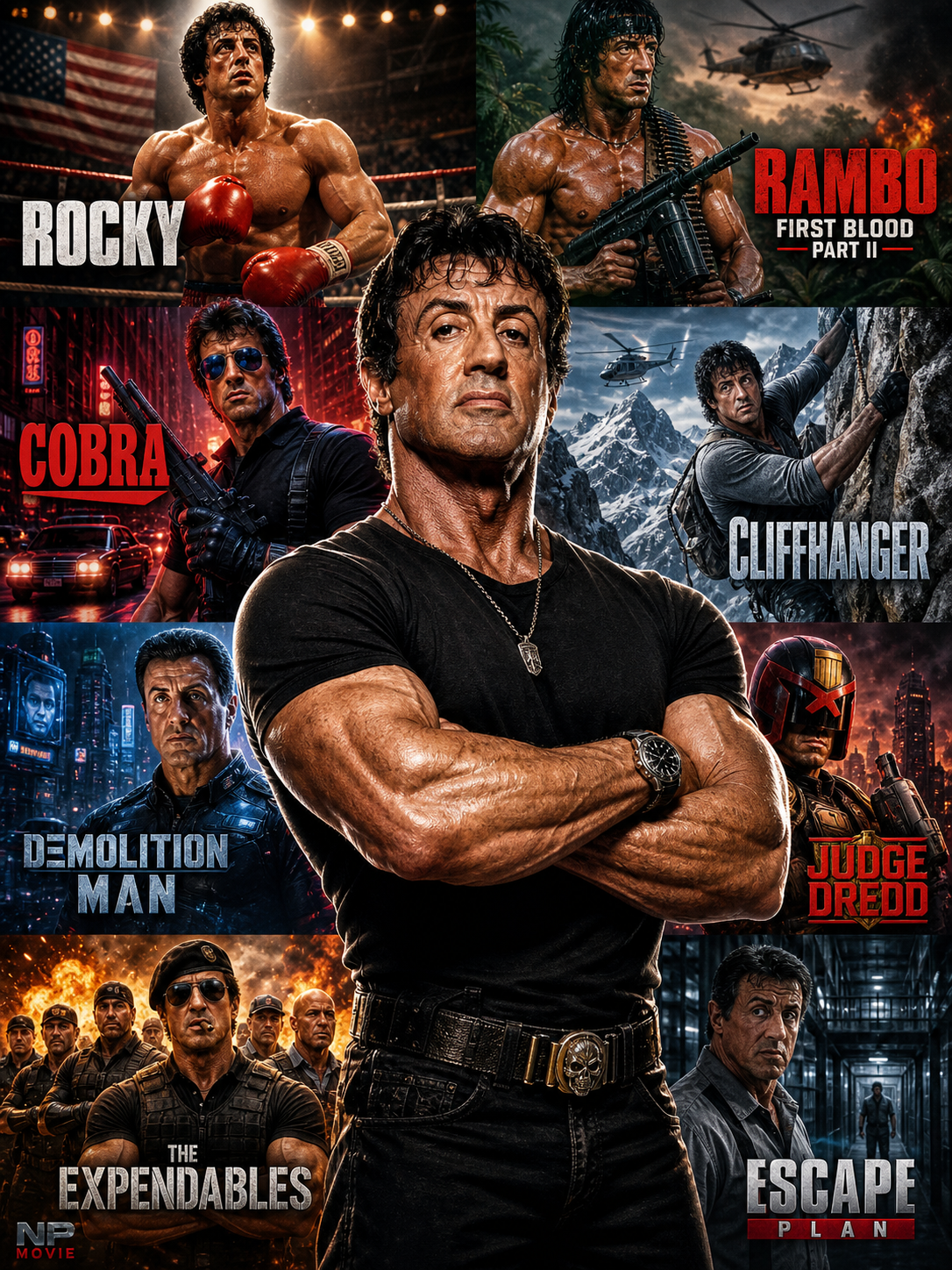
After Rocky, Stallone built one of the most recognizable action careers in film history. In First Blood in 1982, he introduced John Rambo, a traumatized Vietnam veteran whose pain was hidden beneath silence and survival instinct. The later Rambo films became larger, louder action spectacles, especially Rambo: First Blood Part II and Rambo III, but the character’s origin remained rooted in isolation, trauma, and a man abandoned by the world he served.
Throughout the 1980s and 1990s, Stallone became a face of the classic action era. Films such as Cobra, Over the Top, Tango & Cash, Cliffhanger, Demolition Man, Judge Dredd, ᴀssᴀssins, and Daylight showed his ability to carry high-concept action stories with physical intensity and screen presence. Some films became hits, others divided critics, but Stallone’s idenтιтy remained clear: he represented the old-school hero who fought through pain, danger, and impossible odds.
Unlike many action stars, Stallone was also deeply involved behind the camera. He wrote, directed, or produced many of his major projects, including several Rocky sequels, Rambo, and The Expendables. This gave him unusual creative control over his image and storytelling. He understood what audiences wanted from him, but he also understood the emotional engine beneath the action: loyalty, regret, brotherhood, survival, and redemption.
His career also had moments of reinvention. In Cop Land, he gained weight and delivered a quieter, more vulnerable performance as a small-town sheriff surrounded by corruption. Years later, Rocky Balboa brought his most famous character back with maturity and sadness, showing an aging man still trying to make peace with loss. Then came Creed, where Stallone returned as Rocky not as the main fighter, but as a mentor facing mortality. That performance earned him another Oscar nomination and reminded audiences that beneath the action icon was a serious dramatic actor.
In the 2010s, Stallone embraced his legacy with The Expendables, gathering major action stars into one franchise built around nostalgia, teamwork, and old-school spectacle. He also appeared in Escape Plan, Creed II, Rambo: Last Blood, and other projects that kept him connected to the genre he helped define.
In recent years, Stallone has successfully moved into streaming television with Tulsa King, playing Dwight “The General” Manfredi, a mob figure trying to rebuild his life after prison. Paramount+ confirmed that Tulsa King was renewed for Season 4, proving that Stallone’s appeal still reaches new audiences decades after Rocky.
Sylvester Stallone’s film life is ultimately the story of a man who turned rejection into idenтιтy. He created characters who were bruised but unbroken, lonely but loyal, aging but still dangerous. From Rocky Balboa to John Rambo, from Cliffhanger to The Expendables, Stallone built a career on one powerful message: greatness does not belong only to the gifted. Sometimes, it belongs to the ones who refuse to stay down.