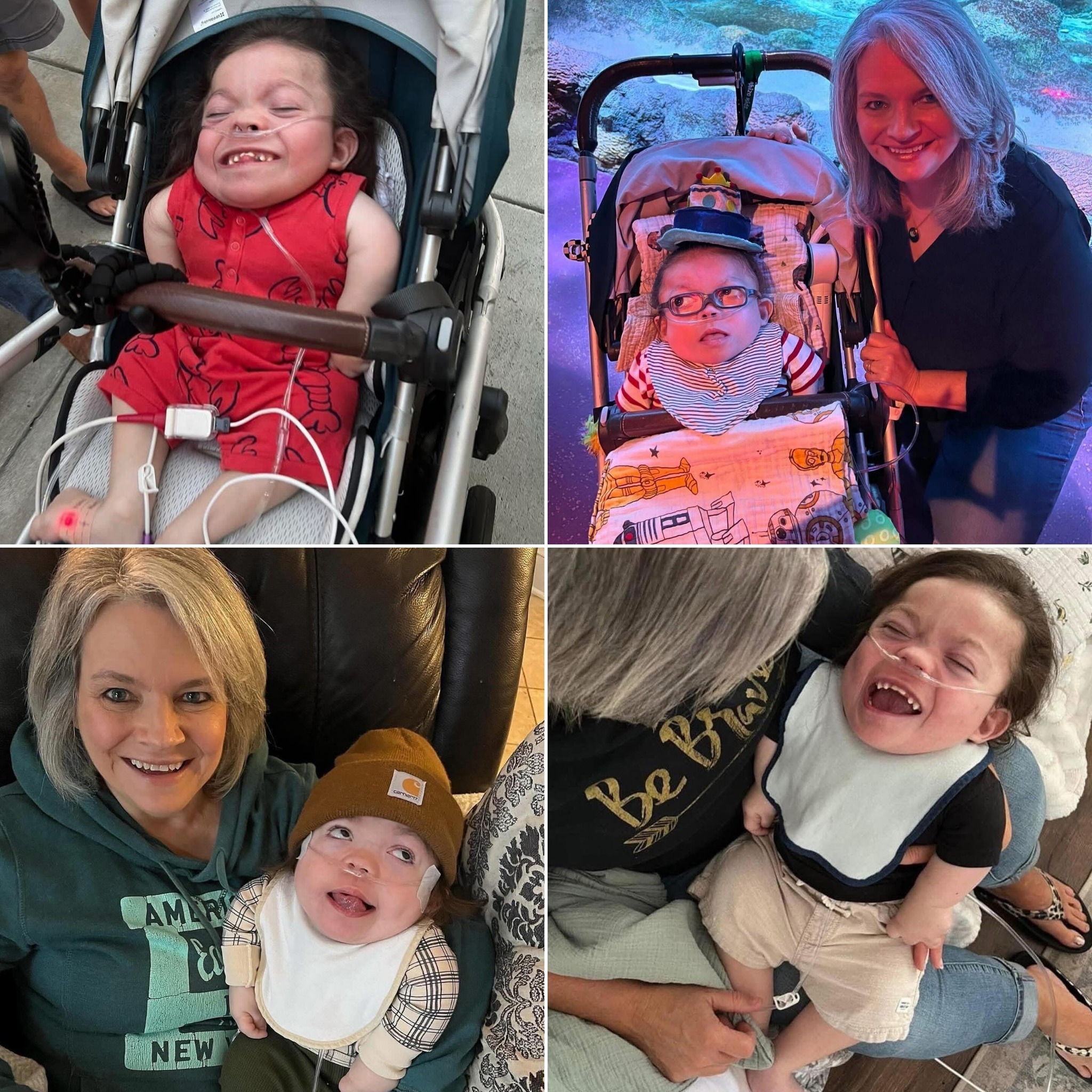
From 29 Weeks to Thriving at Two Harper’s Extraordinary Journey Through NICU Battles and Unbreakable Resilience
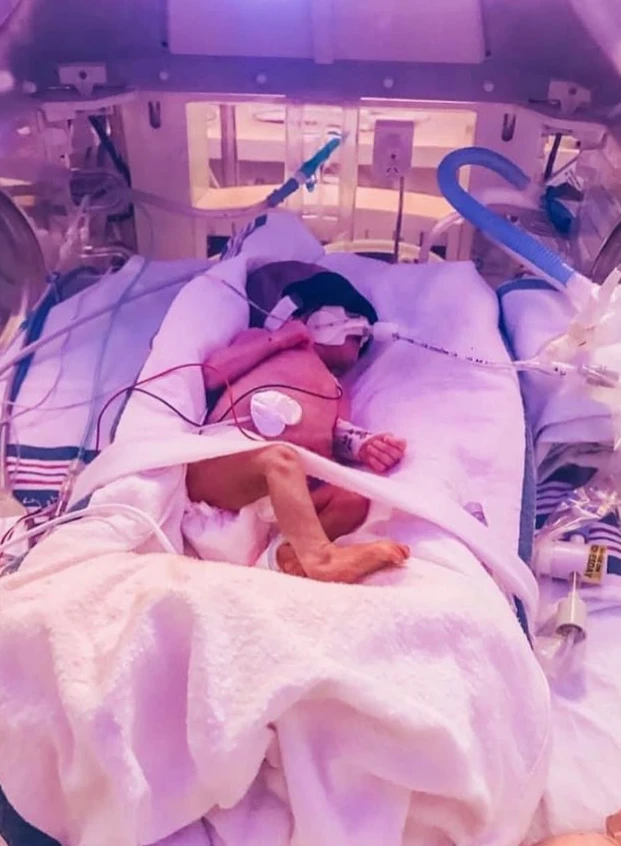
She weighed less than a kilogram. Every breath was uncertain. And yet today, Harper is a thriving two year old, living proof that even the most fragile beginnings can lead to powerful stories of survival.
When Harper entered the world at just 29 weeks, her arrival was anything but ordinary. Delivered prematurely due to severe preeclampsia, she weighed only 2 pounds 1 ounce, and within days, her weight dropped further to a delicate 1 pound 14 ounces. From the very start, her life unfolded inside the controlled intensity of a neonatal intensive care unit NICU, where survival depended on precision, vigilance, and hope.
For Harper’s family, those early days were filled with overwhelming uncertainty. Every monitor beep, every shift in her oxygen levels, and every procedure carried emotional weight. What should have been a time of celebration quickly became a fight for life.
A Fragile Beginning Marked by Critical Challenges
Harper spent 86 days in the NICU, facing complications that tested both her strength and the limits of modern medicine. Among the most serious was necrotizing enterocolitis NEC, a life threatening intestinal condition common in premature infants. At one point, her condition became so critical that her survival was far from guaranteed.
She was also diagnosed with retinopathy of prematurity ROP, a disorder that threatened her developing vision, and chronic lung disease, which made breathing a daily struggle. Feeding posed another challenge, as her tiny body required careful nutritional support to grow and stabilize.
These conditions are not uncommon among babies born this early, but that does not make the journey any less harrowing. For Harper’s parents, each diagnosis felt like another wave in an already overwhelming storm.
Life Inside the NICU A Daily Balance of Fear and Hope
The NICU became Harper’s first home, a place where time seemed to move differently. Days blurred into nights, marked by medical routines, procedures, and cautious optimism.
Yet within that environment, small victories began to emerge.
A slight weight gain
A stable oxygen reading
A moment without alarms
These milestones, often invisible to the outside world, meant everything to Harper’s family. They were signs, fragile but real, that she was fighting.
The medical team played a crucial role in guiding her care. Doctors, nurses, and therapists worked around the clock, not only providing treatment but also offering reᴀssurance and education to her parents. Over time, those relationships became deeply personal, built on trust, compᴀssion, and shared determination.
The Transition Home A New Chapter Begins
After nearly three months in intensive care, Harper was finally strong enough to leave the hospital. It was a moment filled with relief, but also new responsibilities.
Going home did not mean the journey was over.
In fact, it marked the beginning of a new phase, one that required continued medical follow up, close monitoring, and a commitment to developmental support. Harper would go on to need more than a year of physical and occupational therapy to help her build strength, coordination, and independence.
Her parents quickly adapted, turning their home into both a safe haven and a place of healing. Daily routines were shaped around therapy exercises, feeding schedules, and careful observation.
Progress was steady, but never easy.
Small Milestones Big Victories
For Harper, every developmental milestone carried deeper meaning.
Rolling over was not just movement, it was progress
Taking her first steps was not just growth, it was triumph
A simple giggle was not just joy, it was proof of resilience
Her family learned to celebrate these moments with a level of graтιтude that only comes from having faced the possibility of loss.
Over time, those small victories began to add up. Harper grew stronger, more responsive, and increasingly curious about the world around her.
Thriving at Two A Story of Strength and Joy
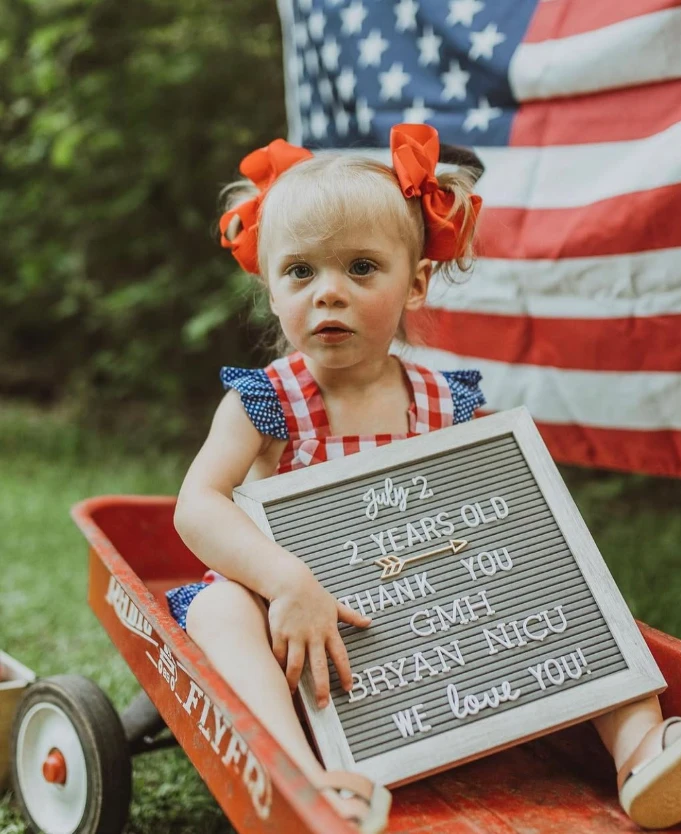
Today, Harper is a vibrant two year old who continues to defy expectations. Despite her early struggles, she is hitting developmental milestones, engaging with her environment, and embracing life with remarkable energy.
Her personality shines through in everything she does. She is described as spunky, independent, and full of warmth, a child whose laughter fills the room and whose presence brings joy to those around her.
While she still requires monitoring for chronic lung disease, her overall health and development reflect the incredible progress she has made.
Her journey is not just about survival, it is about thriving.
The Lasting Impact of Early Challenges
Harper’s story highlights the long term realities of premature birth. For many families, leaving the NICU is only the beginning of a continued path involving therapy, medical care, and emotional resilience.
Yet it also underscores something equally important, the power of early intervention, skilled medical support, and unwavering parental dedication.
Her progress is a testament to what can be achieved when these elements come together.
A Message of Hope for Families Everywhere
For families facing similar journeys, Harper’s story offers something invaluable, hope.
It is a reminder that even in the face of severe complications, progress is possible. That even when the beginning is filled with fear, the future can hold strength, growth, and joy.
Her life reflects the extraordinary resilience of premature infants and the profound impact of love, care, and perseverance.
More Than a Survivor
Harper is more than a NICU graduate. She is a symbol of courage, a testament to medical advancement, and a reminder of the strength that can exist in the smallest of bodies.
Her journey from a fragile premature newborn to a thriving toddler continues to inspire everyone who hears her story.
And perhaps most importantly, she represents a simple but powerful truth
Even the most delicate beginnings can lead to the brightest futures ✨